Preventive Care To Maintain Good Health
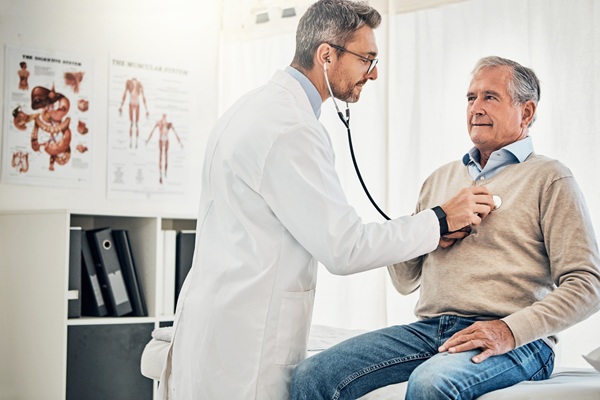
Preventive care is essential to one’s overall health and well-being and can even be instrumental in saving lives. Unfortunately, people can often overlook it because they do not think about going to the doctor unless they feel sick. This article looks closer at preventive care and its importance in staying healthy.
What is preventive care
Preventive care is any health care aimed at preventing disease or the worsening of the disease. It is a broad term encompassing tests, exams, screenings, and health education. Early detection is crucial in finding warning signs of a disease when it is easier to treat.
A primary care provider is typically the main point of contact when it comes to one’s preventive care. However, general practitioners, internal medicine doctors, and healthcare professionals can also provide preventive care in medical clinics.
Types of preventive care
Preventive care is an umbrella term that covers a wide range of services. However, services typically fall into the following three categories:
Screenings, exams, and checkups
Chances are that this is what most people think of as preventive care. The tests and screenings a patient undergoes as part of their preventive care vary by age, gender, lifestyle, and underlying health conditions. For example, a mammogram and a pap smear are preventive care screenings for women to detect cancer as early as possible. Other examples include an annual exam, a well-child visit, a colonoscopy, a lipid panel, and blood pressure and cholesterol tests. Any service that checks for the presence of disease or is aimed at monitoring one’s overall health falls in this category.
Vaccinations and immunizations
According to the World Health Organization, vaccination is a “simple, safe, and effective way of protecting you against the harmful disease before you come into contact with them.” Vaccines and immunizations are medicine, usually delivered by injection, that helps your body develop a natural resistance to infectious disease. Today, vaccines prevent diseases that, in the past, caused serious harm and even death.
Most people in the United States receive a series of vaccines as children, such as the polio vaccine and the vaccine for measles, mumps, and rubella. Vaccines are also available for the flu, hepatitis A and B, and other infectious diseases. A doctor considers several lifestyle factors in deciding what types of vaccines to recommend for a patient.
Health education and lifestyle guidance
One of the most valuable things a doctor can do for their patient is to encourage healthy living. Often, as part of an annual exam, a doctor will advise the patient on lifestyle improvements the patient can make that will help them manage ongoing conditions and maximize their wellness. Doctors possess a wealth of knowledge on healthy eating habits, stress reduction, weight management, and other topics related to maintaining a healthy body that not only fights off disease but allows a person to realize their full potential.
Invest in yourself with preventive care
Make preventive care a regular part of your life. If you are skipping routine vaccinations, exams, and screenings, you could be harming your health. Call today to learn more about our preventive care services and how we can help you maintain good health.
Request an appointment here: https://orangecountyhousecalls.com or call Orange County House Calls at (949) 204-1334 for an appointment in our Aliso Viejo office.
Check out what others are saying about our services on Google: Preventive Care in Aliso Viejo, CA.
Related Posts
A house call for obesity medicine brings medical weight-management care into a familiar setting, making appointments more convenient and comfortable. The visit still follows the same basic goals as an office evaluation: understanding health history, current concerns, and factors that may affect weight. The appointment includes multiple steps, such as an exam, a review of…
Accessing primary care does not have to mean traffic, parking garages, crowded waiting rooms, and a rushed visit between other appointments. House calls bring medical care directly to the patient’s home. This approach can be particularly helpful for busy households, older adults, people with mobility restrictions, and anyone who finds traditional office visits difficult. By…
Professional injury treatment does not have to mean a stressful trip to a doctor’s office. You can heal right at home. Concierge physicians who make house calls can deliver personal injury care in a comfortable environment. After an unexpected accident or setback, you can speed up your recovery and reduce your physical stress with professional…
Are you tired of constantly going to the doctor for ongoing medical needs? Regular in-home medical care provides a simple, stress-free alternative for households that need consistent support. If travel is too difficult or gas prices are keeping you at home, this option brings medical help straight to the door. Read on to learn when…