Lifestyle Tips for Chronic Disease Management
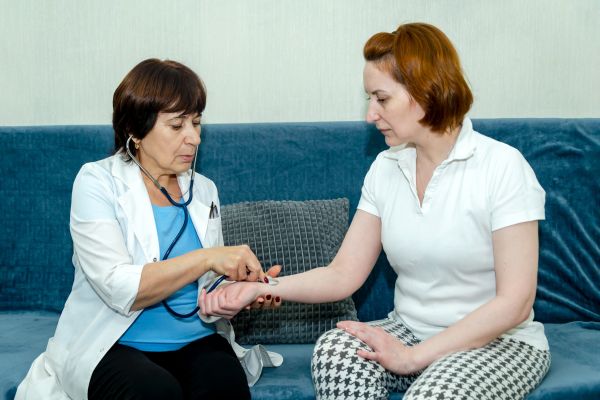
Good chronic disease management can help reduce the impact of your symptoms. It can be overwhelming to handle your chronic condition. Learning some useful tips can make it easier. Here are some suggestions for your chronic disease management.
Control stress levels
Anxiety and fear are natural when dealing with a chronic ailment. Studies show that letting go of the negative aspects of the condition can help one focus on general health. Exercising can help make an individual feel better. Meditating and listening to feel-good music, as well as using aromatherapy oils, can relieve stress as well. Repeating affirmations to oneself can increase positivity. It can also make one more open to lifestyle changes.
Stress relief in chronic disease management can also include any physical activity that the individual loves. Dancing, walking, and yoga are a few of these stress-relieving activities that are fun to practice every day. Being mindful of one’s stress levels can help the patient start these relieving techniques. Making a habit of relieving stress can elevate one’s chronic disease management and enhance one’s quality of life.
Regulate blood pressure
Elevated blood pressure increases one’s risk of stroke and heart disease. Chronic disease management can help the patient understand how important it is to keep an eye on and control blood pressure. Sticking with the medications, as well as the medications and lifestyle changes, can help improve one’s quality of health. This can also prevent heart attacks.
Lower blood sugar levels
Chronic disease management includes understanding what elevates one’s sugar levels. High-carbohydrate foods can have this effect. Knowing how to decrease these foods is important in patients with irregular blood glucose levels. Healthier eating can happen if the patient makes a habit of eating in a mindful way.
Move more
Research shows that about 80% of American teens and adults are not physically active enough. This is one of the main reasons for the onset of chronic ailments. Doctors can orient patients about proper chronic disease management. They can provide support in identifying many creative ways to be more physically active.
Enough physical activity can help improve function and sleep. Doctors recommend at least 150 minutes of moderate physical activity each week. This could also be equal to 75 minutes of weekly vigorous physical activity. Making this a habit can help improve one’s general health.
Take control of cholesterol
High cholesterol levels can increase one’s risk of cardiovascular diseases. Lowering these levels is part of chronic disease management. Choosing low-cholesterol foods can help the patient’s medications become more effective. It can lower one’s risk for other diseases, which can result in a better quality of life.
Be mindful of what to eat or drink
A healthy diet can manage and even prevent chronic diseases. Choosing foods or drinks with low sugar, fat, and sodium content can help pave the way to better health. Avoiding processed foods is also a significant step. Consuming fresh fruits and vegetables, as well as home-cooked meals, can make the body and mind healthier.
Chronic disease management can improve your general health and wellness
A diagnosis of a chronic disease can be stressful and devastating to some people. Fighting for your health is important. You can maintain your health by following the mentioned tips. Working with your doctor can help improve your symptoms and your quality of life.
Get more information about Orange County House Calls in Aliso Viejo at https://orangecountyhousecalls.com.
Check out what others are saying about our services on Google: Chronic Disease Management in Aliso Viejo, CA.
Related Posts
A house call for obesity medicine brings medical weight-management care into a familiar setting, making appointments more convenient and comfortable. The visit still follows the same basic goals as an office evaluation: understanding health history, current concerns, and factors that may affect weight. The appointment includes multiple steps, such as an exam, a review of…
Accessing primary care does not have to mean traffic, parking garages, crowded waiting rooms, and a rushed visit between other appointments. House calls bring medical care directly to the patient’s home. This approach can be particularly helpful for busy households, older adults, people with mobility restrictions, and anyone who finds traditional office visits difficult. By…
Professional injury treatment does not have to mean a stressful trip to a doctor’s office. You can heal right at home. Concierge physicians who make house calls can deliver personal injury care in a comfortable environment. After an unexpected accident or setback, you can speed up your recovery and reduce your physical stress with professional…
Are you tired of constantly going to the doctor for ongoing medical needs? Regular in-home medical care provides a simple, stress-free alternative for households that need consistent support. If travel is too difficult or gas prices are keeping you at home, this option brings medical help straight to the door. Read on to learn when…