How Telemedicine Supports Convenient Follow-Up Care Between House Calls
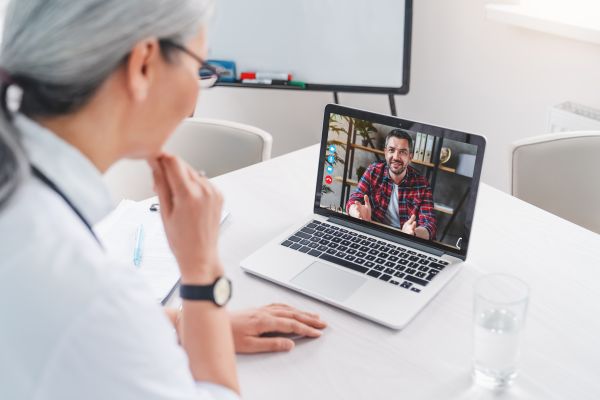
Telemedicine supports follow-up care between house calls by giving patients another way to stay connected with a medical provider. After an in-home visit, questions can arise about medications, symptoms, test results, or next steps in a care plan. Telemedicine lets the provider review concerns without another trip to the office. It also helps households stay engaged with care while the provider monitors changes that may need attention. Learn how telemedicine works alongside follow-up appointments to support ongoing care.
Keeping care connected
House call medicine serves people with mobility limits, chronic conditions, recovery needs, or difficulty arranging transportation. However, health needs do not always fit neatly into scheduled in-home appointments. Telemedicine enables the provider and patient to communicate between visits via video chat or phone appointments.
During a telemedicine follow-up, the provider can ask about symptoms, review medication use, discuss home monitoring readings, and explain test results. Patients may share blood pressure numbers, blood sugar readings, temperature records, or changes in swelling, appetite, sleep, and pain. This information helps the provider decide whether the current plan should continue, change, or require an in-person house call.
Supporting care plans
Many treatment plans require attention after the initial evaluation. A provider may use telemedicine to check how a new medication affects the patient, answer questions about instructions, or review whether symptoms have changed. These conversations can address smaller concerns before they become harder to manage.
Telemedicine can also support caregivers who coordinate meals, medications, mobility, and appointments. A family member or care partner may join the virtual visit when appropriate, helping the provider understand what occurs at home. Clear communication helps everyone follow the same care plan and recognize when an in-home evaluation may be necessary.
Common reasons for a follow-up visit may include:
- Reviewing medication changes or side effects
- Discussing test results and care instructions
- Checking symptoms after illness or injury
- Monitoring chronic conditions between house calls
These check-ins help the medical team maintain continuity while responding to changes in the patient’s condition.
Knowing when house calls matter
A virtual appointment does not replace every medical evaluation. Telemedicine works well for conversations, visual observations, and routine follow-up, but some concerns require the provider to examine the patient in person. New confusion, serious breathing changes, sudden weakness, chest pain, or symptoms of a medical emergency require immediate medical attention.
The provider may schedule a house call when symptoms need a hands-on exam, additional testing, or closer observation. This combined approach allows care to match the patient’s current needs. Telemedicine can also help the provider determine whether a house call, urgent evaluation, or another level of care is appropriate.
Continue follow-up care
Telemedicine helps extend follow-up care between house calls by integrating communication into the care plan. A house call medical provider can use virtual visits to review progress, address questions, and help patients and caregivers prepare for the next step. For more information or to schedule an appointment, call our office.
Request an appointment on our website at https://orangecountyhousecalls.com or call Orange County House Calls at (949) 204-1334 to arrange an appointment at our Aliso Viejo office.
Check out what others are saying about our services on Google: Telemedicine in Aliso Viejo, CA.
Related Posts
Are you tired of constantly going to the doctor for ongoing medical needs? Regular in-home medical care provides a simple, stress-free alternative for households that need consistent support. If travel is too difficult or gas prices are keeping you at home, this option brings medical help straight to the door. Read on to learn when…
A same-day doctor visit can help patients receive timely medical attention at home when non-emergency symptoms require evaluation. Delayed care can allow minor concerns to become more uncomfortable, disruptive, or difficult to manage. Fortunately, concierge medicine makes medical care more accessible with house calls. These in-home visits can offer a practical way to assess symptoms,…
Choosing modern concierge medicine transforms the healthcare experience by prioritizing immediate access, longer appointments, and deeply personalized care from a dedicated doctor. Orange County House Calls delivers this premium model across Aliso Viejo and surrounding communities, blending internal medicine expertise with unparalleled flexibility. This patient-centric framework eliminates the typical administrative delays of traditional clinics, allowing…
Before selecting a primary care physician, many individuals want to know the difference between an internal medicine doctor and a family care doctor. Read on to learn more. Both are primary care doctors with training in a variety of subspecialties. So, what is the difference between the two, and how do you choose the right…